The “micro enterprise” status recorded in the Business Identification Number of PT Bentang Alam Sumatera (PT BAS) sits a little oddly next to the scale of its business as an essential oil exporter. But that gap reveals something interesting: administrative scale does not always reflect the size of the supply chain a company actually manages.
From Medan, PT BAS combines three foundations at once in running its business: legal compliance, product diversification, and leveraging Indonesia’s position as one of the world’s leading players in patchouli oil. Together, the three help this small company manage both opportunity and risk in a commodity market that constantly rises and falls.
On the legal side, PT BAS’s business license was issued through the Risk-Based Business Licensing system. Its scope goes far beyond just aromatic-crop plantations and essential oil trading — it also covers agarwood cultivation, wholesale trade in coffee, tea and cocoa, trade in other forestry and agricultural products, waste remediation and management, and research and development in the natural sciences. That broad scope leaves room to develop new business lines still connected to natural resources and agribusiness, with licensing compliance as the baseline that keeps any diversification measured.
On diversification, PT BAS’s portfolio spans eight commodities: patchouli, Arabica coffee, Robusta coffee, citronella oil, lemongrass, cananga, vanilla and benzoin. The company deliberately avoids relying on a single commodity whose demand rises and falls with the cycles of the global perfume industry. Coffee, kitchen spices and non-timber forest products give it access to very different sets of buyer needs, which helps balance cash flow when the price or demand volume of one commodity shifts — even so, each line still carries its own quality and logistics challenges.
The third foundation rests on Indonesia’s position in the global patchouli market. Directorate General of Plantations data widely cited by the media shows Indonesia controls around 95% of the global patchouli oil market, with exports of roughly 1,200 to 1,500 tons a year to countries including Switzerland, Britain, Singapore, Spain and France. The price of patchouli oil is determined largely by its patchouli alcohol content and purity level, which means export opportunity is not just about volume but also the ability to maintain consistent quality all the way from farmers’ raw material to the product shipped to buyers.
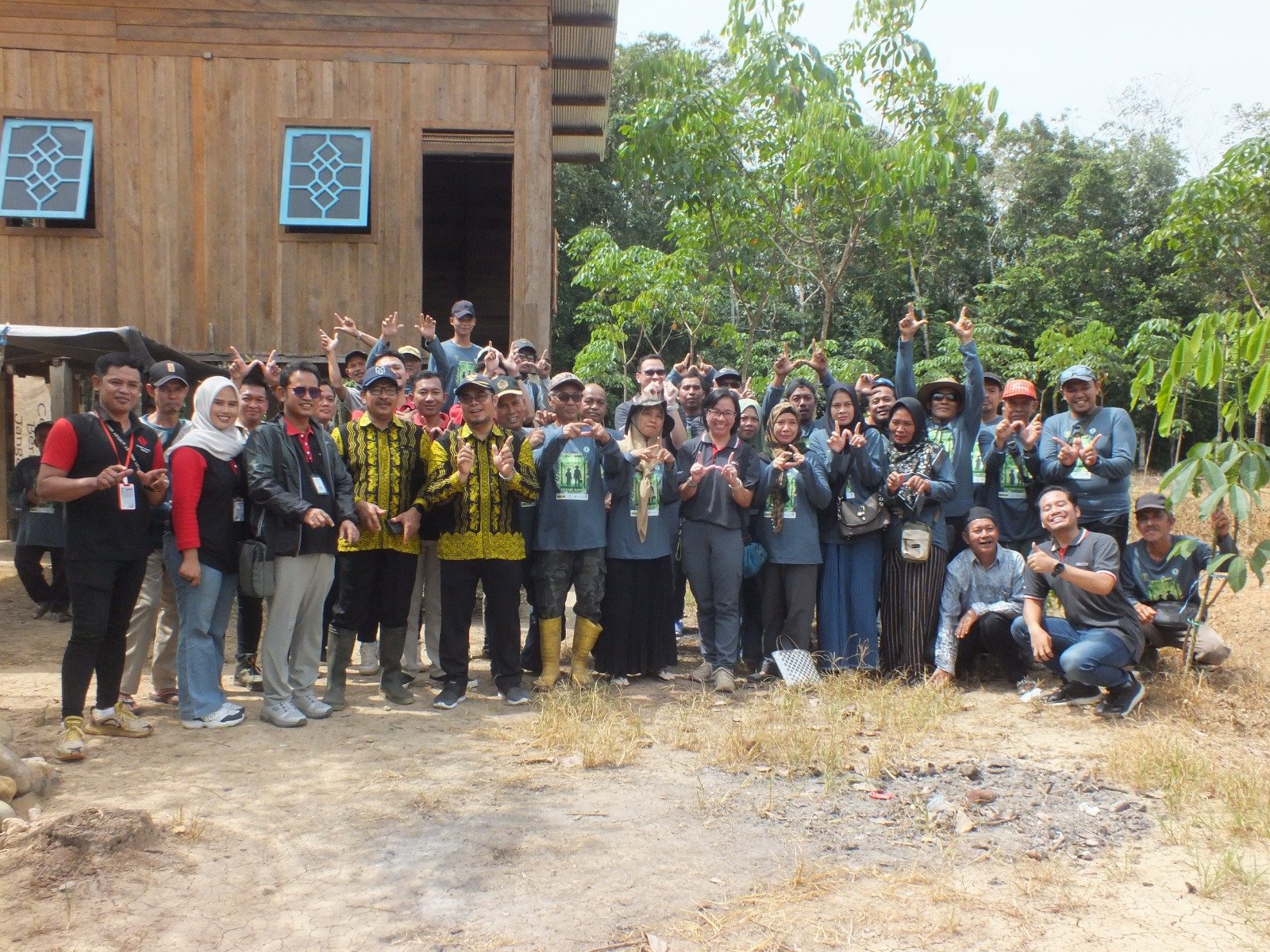
Of course, a business model like this is not free of structural challenges. PT BAS’s in-house team of just seven has to maintain a farmer network across three provinces at once, manage collection and logistics, and make sure distillation and packaging run according to buyers’ requirements. Then there are variables outside its control, such as weather, fuel costs for distillation, shifting commodity prices and competition from other exporters. Diversification can reduce concentrated risk, but it does not remove the need for quality control and a stable supply relationship.
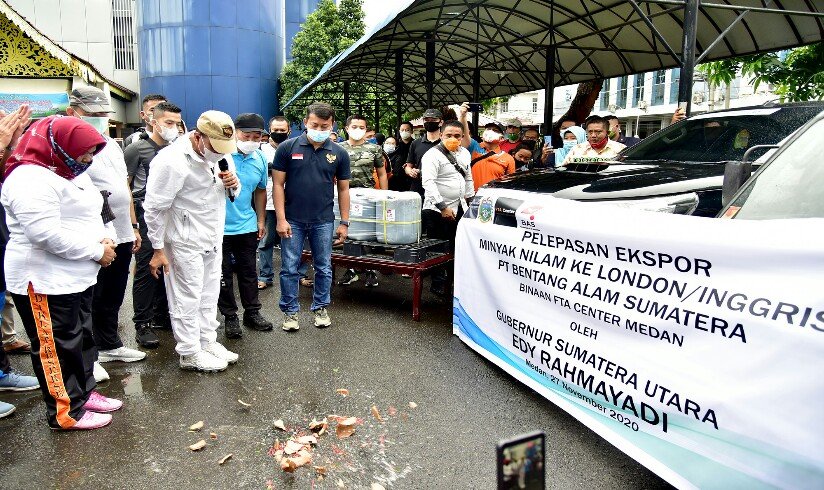
PT BAS’s experience sending patchouli oil exports to London in 2020 stands as evidence that even a micro-scale company can build access to global markets. The key lies in orderly legal compliance, a relevant product portfolio, and farmer partnerships capable of supplying raw material sustainably. As long as its supply network and product quality keep being strengthened, PT BAS has room to grow its role as a link between Sumatran commodities and industrial buyers in the international market.
Source: Compiled from PT BAS’s Risk-Based Business Licensing (NIB) documents, the PT Bentang Alam Sumatera 2026 profile, Directorate General of Plantations, Ministry of Agriculture data as cited by GoodNewsFromIndonesia.id, and reporting by Tobapos.co.